Maintenance & repairs
Reported in minutes. Fixed without drama.
Maintenance is where letting agencies quietly fail. Ours is a desk with named people, vetted trades and a paper trail on every job.
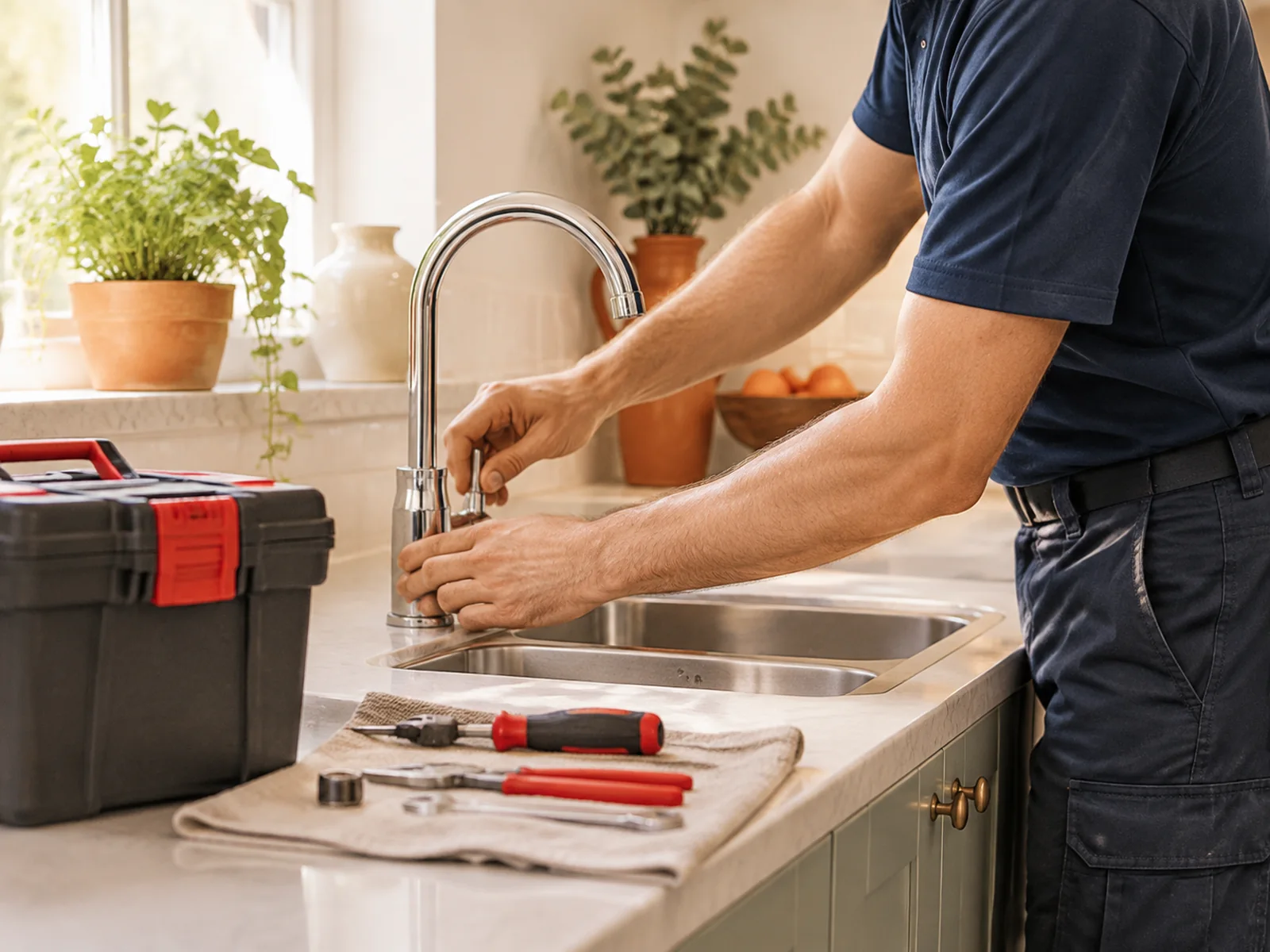
Every managed property has a 24-hour reporting line and an online form that lands directly on the maintenance desk. Tenants describe the issue, attach photos, and the job is triaged: emergency, urgent or routine. That triage is not a mood; it is a written policy with response targets attached.
Emergencies, meaning risk to safety, security or the fabric of the building, get a contractor prioritised the same day. Urgent jobs, like a single-room heating failure or a slow leak, are booked within two working days. Routine jobs run on normal scheduling with tenant appointments confirmed by message.
Trades come from our vetted panel: Gas Safe registered for gas, NICEIC qualified for electrics, and general trades with current insurance and a track record on our patch. Jobs are photo-documented before and after, and landlords approve spending above thresholds agreed at sign-up. No surprises, and no “while we were in there” invoices.
- 24-hour reporting line plus online form with photos
- Same-day triage for emergencies: safety, security, water, power
- Gas Safe and NICEIC qualified trades, insurance checked
- Landlord approval thresholds agreed in advance
- Before-and-after photo documentation on every job